In this article:
- Rapid weight loss from GLP-1 medications thins dermal collagen and damages the skin's elastic fibre network.
- "Ozempic face" stems from two causes: facial fat loss plus GLP-1s directly disrupting collagen production.
- A smaller appetite on GLP-1s makes it harder to get enough vitamin C, iron and zinc, the nutrients collagen synthesis depends on.
- Marine collagen delivered the most potent skin anti-ageing effect of any collagen source in a recent meta-analysis.
- Collagen tripeptides, like those in ProCollagen+, are absorbed intact and trigger collagen synthesis through multiple pathways at once.
The short version
- GLP-1 medications like Ozempic, Wegovy and Mounjaro cause weight to drop faster than the skin can structurally adapt to, which leaves dermal collagen thinner and damages the elastic fibre network.
- "Ozempic face" describes the hollow cheeks, sagging and deeper lines that can follow rapid weight loss. It's caused by losing subcutaneous fat in the face, plus early research showing GLP-1s may directly disrupt collagen production.
- A smaller appetite on GLP-1s makes it harder to hit daily intake of vitamin C, iron and zinc, which are the nutrients collagen synthesis depends on.
- Marine collagen peptides act as biological signals in the body, prompting new collagen, elastin and hyaluronic acid production. Research shows marine collagen has the strongest skin anti-ageing effect of any collagen source.
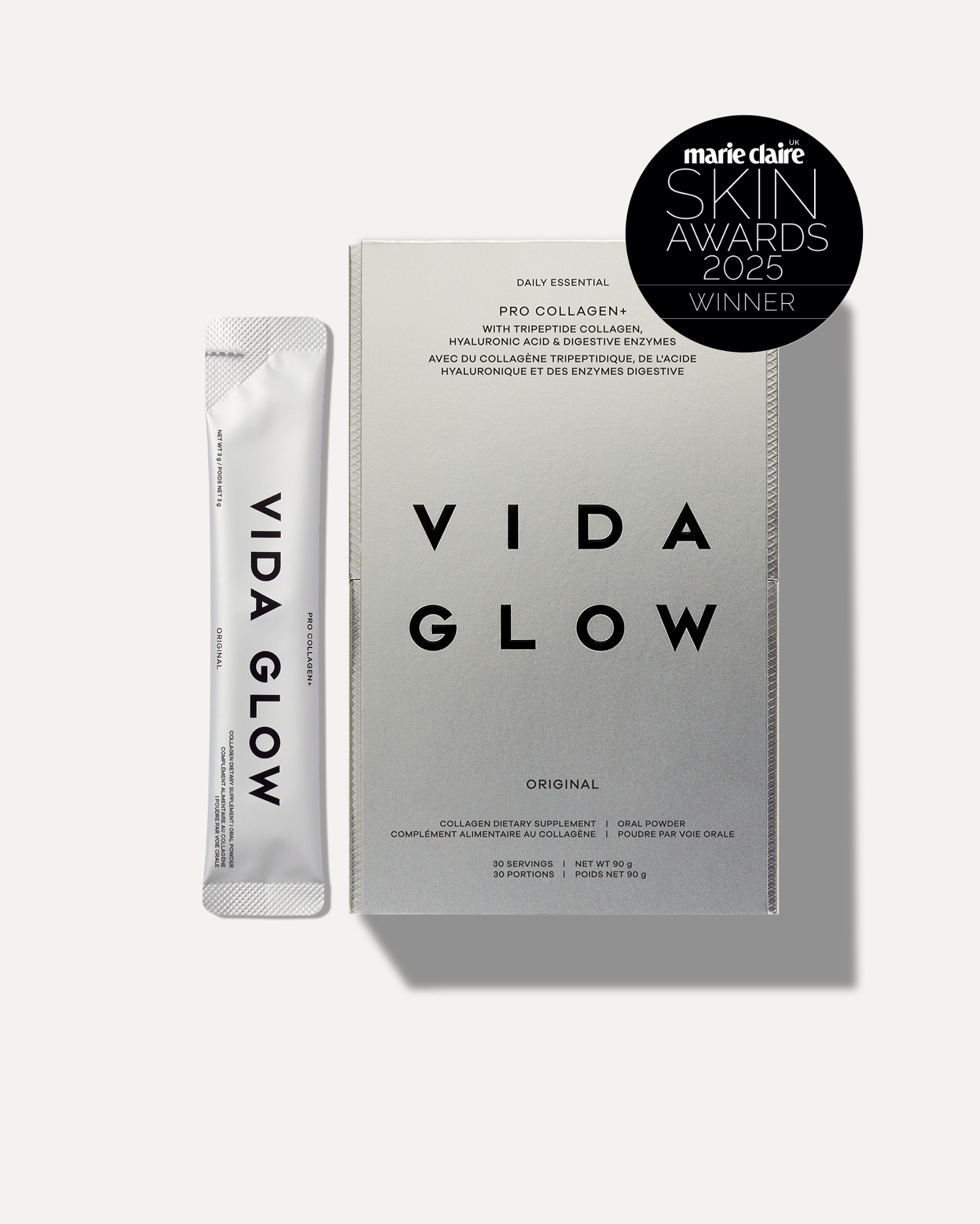
- A tripeptide supplement like ProCollagen+ is absorbed intact and can speed up results by triggering collagen synthesis through several pathways at once.
- If you're on a GLP-1, adding collagen peptides to your routine is a research-backed way to help your skin keep up as your body changes.
GLP-1 medications have changed the conversation around weight management – and for millions of people, they're delivering real results. But as they’re becoming more widely used, there's a side effect that’s impossible to ignore: the impact on skin.
Rapid, significant weight loss can lead to measurable changes in skin structure, firmness and elasticity. Here we’ll break down why this happens, so you can proactively support your skin through the process.
What is a GLP-1 medication?
GLP-1 stands for glucagon-like peptide-1, a hormone produced naturally in the gut that regulates blood sugar and appetite. Medications like semaglutide (Ozempic, Wegovy) and tirzepatide (Mounjaro) – mimic GLP-1 to suppress appetite and slow gastric emptying.
Originally developed for type 2 diabetes, they are now among the most widely prescribed medications for weight management globally.
What does rapid weight loss do to skin?
The skin is a living organ, and it adapts to changes in the body. When weight is lost gradually, the skin has time to contract as underlying fat volume reduces. When weight is lost rapidly, the skin can’t keep up.
Research on patients who have experienced significant weight loss shows that collagen in the dermis becomes thinner and the elastic fibre network sustains damage. This leaves skin structurally weaker and less able to rebound.¹
What causes Ozempic face?
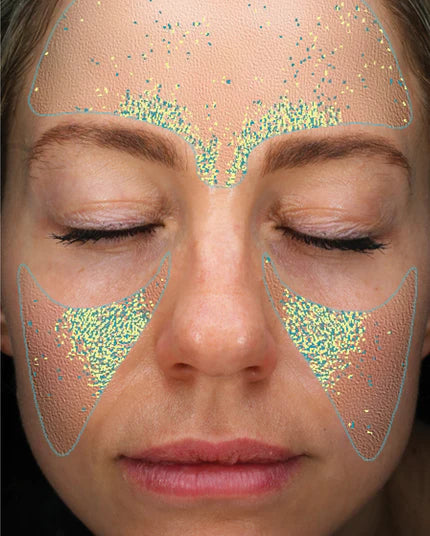
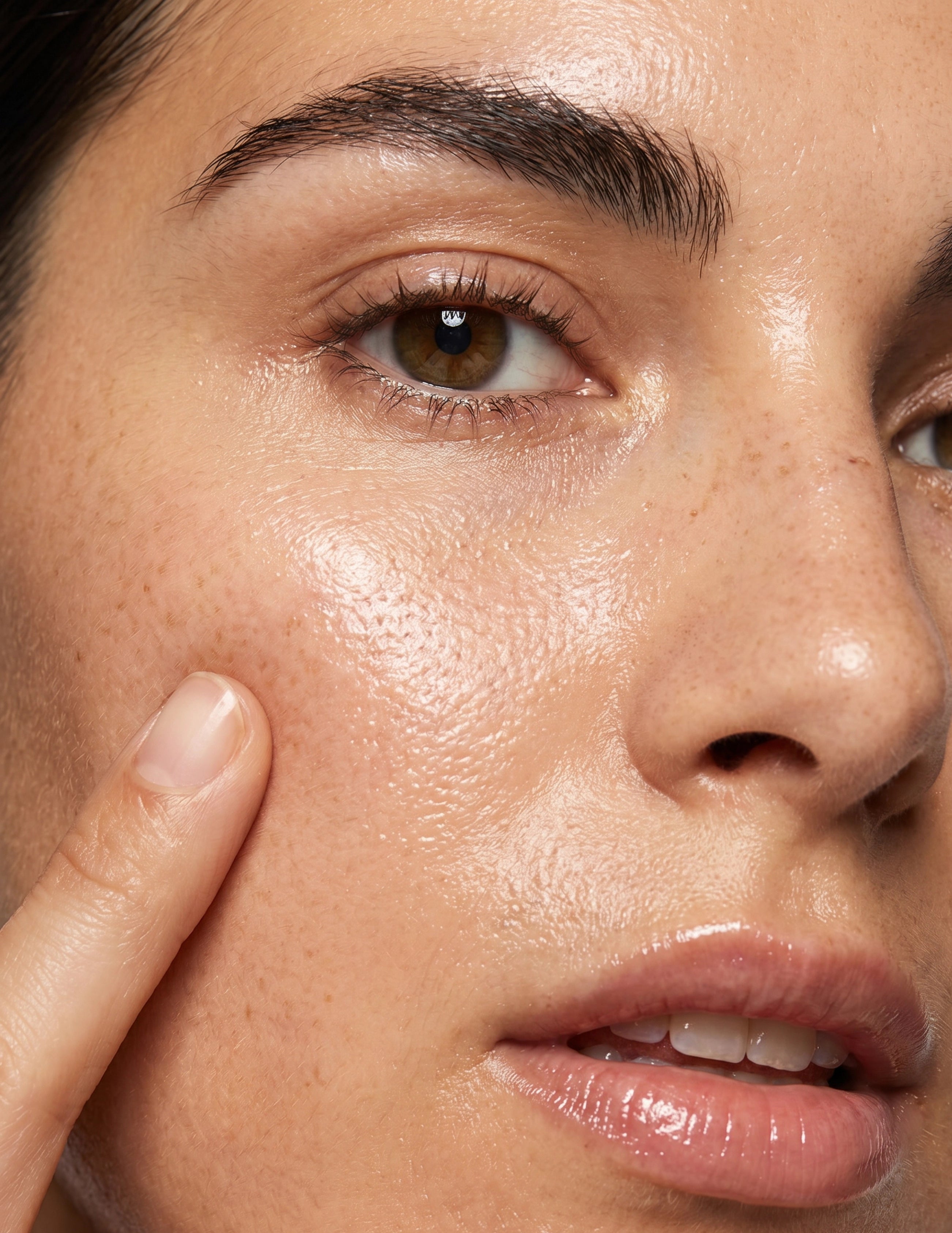
There are two mechanisms at play. First, GLP-1 medications cause non-selective fat loss, including the subcutaneous fat that helps provide volume and structural support in the face. When it’s lost rapidly, it can lead to what’s known as "Ozempic face" or “GLP-1 face”: hollowing of the cheeks, sagging and more pronounced lines.²
Second, emerging research suggests GLP-1 medications may directly interfere with the skin's ability to produce new collagen, while simultaneously speeding up its breakdown.³
What’s the connection between GLP-1s and collagen loss?
Collagen is the structural scaffolding of the skin. It provides firmness, elasticity and the dermal density that gives skin its supported appearance, and it is produced by fibroblasts in the deeper layers of the dermis.
From our mid-twenties, collagen production naturally begins to decline. Research confirms that the synthesis of collagen types I and III decreases with age, driven by changes in fibroblast function over time.4
This slow process means collagen loss begins well before most people notice it. Significant or rapid changes in body composition — including those that can come with weight loss — may make existing collagen loss more visible, more quickly.
Reduced food intake compounds the issue further. GLP-1 users can experience significant reductions in energy intake, making it increasingly difficult to consume adequate levels of key nutrients – including vitamin C, iron and zinc, all of which are essential co-factors in collagen synthesis.5
How marine collagen peptides support skin health
Marine collagen peptides address this problem at its source. When ingested, hydrolysed collagen peptides are absorbed into the bloodstream and act as biological signals – prompting the synthesis of new collagen, elastin and hyaluronic acid. A recent systematic review and meta-analysis found that marine collagen delivered the most potent skin anti-ageing effects relative to other collagen sources.6
For skin that's under structural pressure from rapid weight loss, collagen supplementation offers a targeted way to support skin elasticity from within.
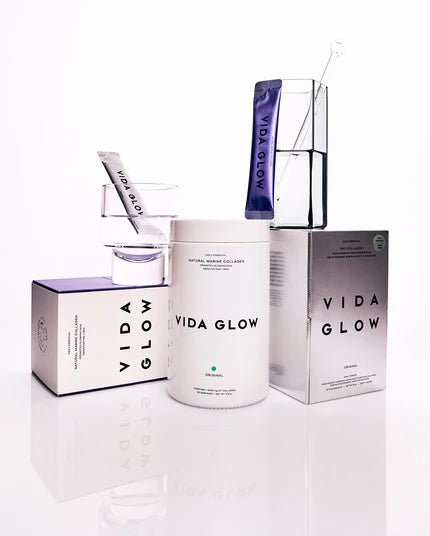
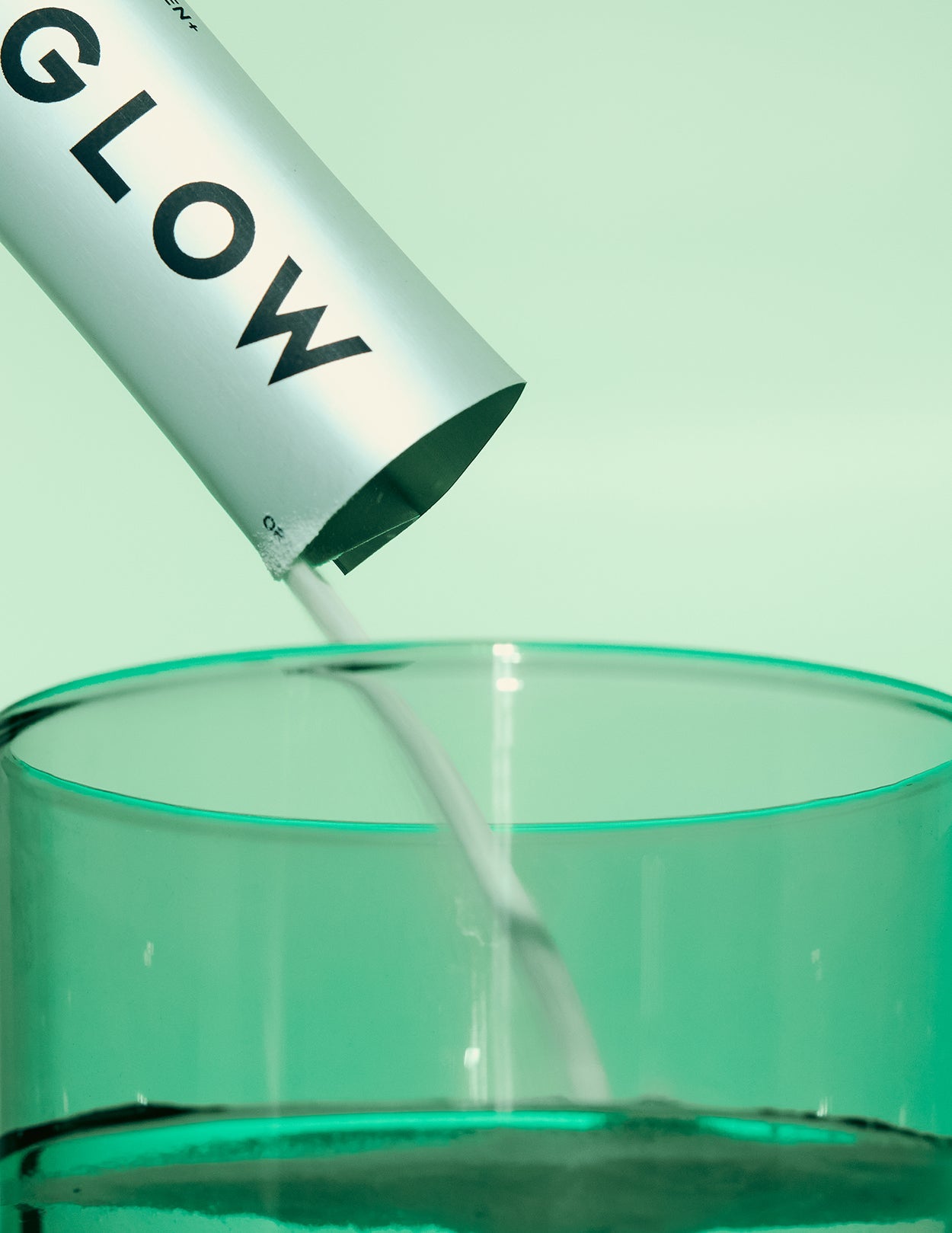
A collagen tripeptide supplement – such as ProCollagen+ – can offer accelerated results when compared to standard collagen peptides. Made up of just three amino acids, tripeptides are absorbed intact and support collagen synthesis through multiple pathways, increasing collagen production and the number of fibroblasts producing it.7
The bottom line: supporting skin elasticity on a GLP-1
The skin changes that can accompany GLP-1 use are real – caused by structural fat loss, direct effects on collagen synthesis, and the nutritional gaps that come with reduced food intake and rapid weight loss.
If you’re on a weight loss journey, supplementing with collagen peptides is an evidence-backed step you can take to help support skin elasticity as your body changes.
What to takeaway
- GLP-1 medications like semaglutide and tirzepatide can cause visible changes that go beyond the number on the scale.
- Rapid weight loss thins dermal collagen and damages the elastic fibre network, leaving skin structurally weaker and less able to bounce back.
- "Ozempic face" comes from two things happening at once: non-selective loss of subcutaneous fat in the face, and early evidence that GLP-1s impair collagen synthesis while speeding up its breakdown.
- Eating less on a GLP-1 can leave gaps in vitamin C, iron and zinc, the co-factors collagen production relies on.
- Hydrolysed marine collagen peptides signal the body to produce new collagen, elastin and hyaluronic acid. A meta-analysis found marine collagen has the most potent skin anti-ageing effect of all collagen sources.
- A collagen tripeptide supplement like ProCollagen+ is absorbed intact and can accelerate results by supporting collagen synthesis through multiple pathways.
References
-
Al-Qattan MN, et al. Image analyzer study of the skin in patients with morbid obesity and massive weight loss. Eplasty. 2015. https://pubmed.ncbi.nlm.nih.gov/25671051/
-
Karger Publishers. Dermatologic implications of glucagon-like peptide-1 receptor agonist medications. Skin Appendage Disorders. 2025. https://karger.com/sad/article/doi/10.1159/000544023/921780/
-
Paschou IA, et al. GLP-1 receptor agonists and the possible skin aging. Endocrine. 2025;89:680–685. https://pubmed.ncbi.nlm.nih.gov/40498168/
-
Al-Atif, H. (2022). “Collagen Supplements for Aging and Wrinkles: a Paradigm Shift in the Field of Dermatology and Cosmetics. Dermatology Practical & Conceptual”, [online] 12(1), p.e2022018. https://dpcj.org/index.php/dpc/article/view/dermatol-pract-concept-articleid-dp1201a18
-
American College of Lifestyle Medicine et al. Nutritional priorities to support GLP-1 therapy for obesity. 2025. https://pmc.ncbi.nlm.nih.gov/articles/PMC12125019/
- Pu SY, Huang YL, Pu CM, Kang YN, Hoang KD, Chen KH, Chen C. Effects of Oral Collagen for Skin Anti-Aging: A Systematic Review and Meta-Analysis. Nutrients. 2023 Apr 26;15(9):2080. doi: 10.3390/nu15092080. PMID: 37432180; PMCID: PMC10180699.
- Shigemura, Y. et al. (2009). Effect of prolyl-hydroxyproline intake on skin conditions and cell proliferation in human fibroblasts. Journal of Agricultural and Food Chemistry, 57(2), 444–449.